
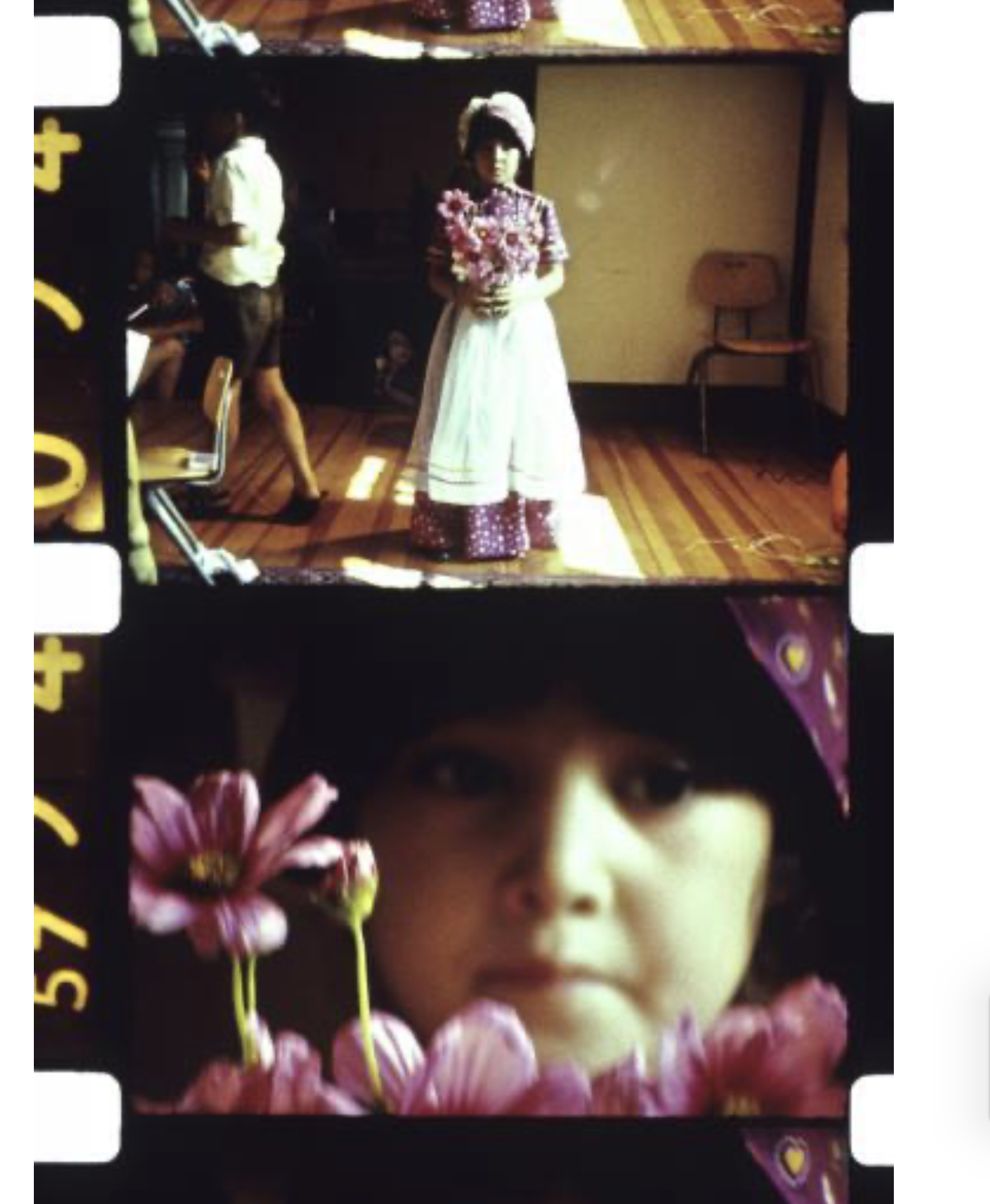
JONAS MEKAS: FROZEN FRAMES AT MATNEY GALLERY
Following the presentation of Still Beautiful in My Memory at Andrews Gallery, Matney Gallery has installed a focused selection of Jonas Mekas Frozen Frames and related works for continued viewing and discussion through mid August. The gallery presentation includes several unframed works that were not on view at William & Mary, offering an expanded opportunity to consider the project in relation to film, archive, memory, and the photographic object.
Collectors, archivists, curators, and colleagues are welcome to see the works by appointment and discuss the project’s ongoing development.
This presentation extends conversations that began during the Andrews Gallery exhibition and continues research around Mekas’s still images, films, and legacy. In the more intimate setting of the gallery, the works can be considered closely as objects, fragments, and archival images, while remaining connected to Mekas’s larger cinematic language.
Monday, July 20 is the final day to purchase or reserve the framed Mekas exhibition prints currently on view.
The gallery will subsequently present and market a separate selection of available works by Mekas, including additional prints beyond the current Frozen Frames presentation. Inquiries and appointments are encouraged..
Sign the guestbook to stay informed on upcoming developments related to Jonas Mekas.
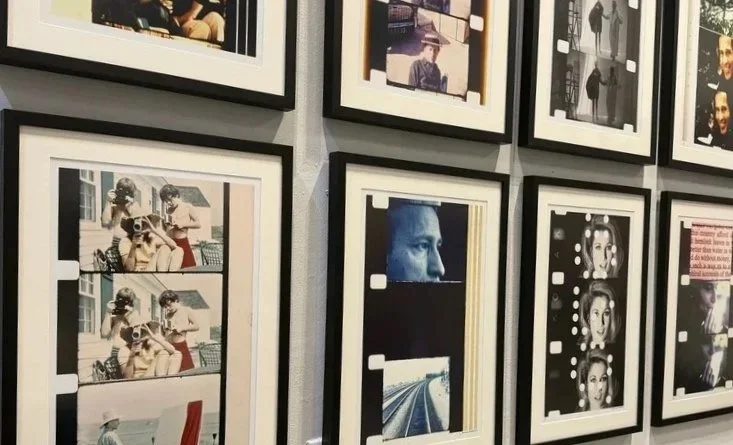
The Andrews Gallery at the College of William & Mary presented Still Beautiful in My Memory, an exhibition of works by pioneering avant-garde filmmaker Jonas Mekas (1922–2019). Organized in collaboration with The Jonas Mekas Estate, Deborah Colton Gallery, OUTPOST NYC DCG, and Lee Matney Gallery, the exhibition brought together Mekas’s rarely exhibited framed still images – known as the “Frozen Frames” – with a continuous screening of his five-hour epic, As I Was Moving Ahead Occasionally I Saw Brief Glimpses of Beauty (2000). Together, these works explore fragmentation, memory, displacement, and the poetic construction of a life through cinema.
Born in Lithuania in 1922, Mekas was forced to flee his homeland during World War II amid the successive occupations of Eastern Europe. After being detained by Nazi authorities and later living in displaced persons camps in Germany, he emigrated to the United States in 1949 as a refugee. His arrival in America marked not only the beginning of a prolific artistic life, but also the continuation of a journey shaped by exile and survival. His story underscores how refuge can foster extraordinary artistic innovation and enrich the cultural fabric of a nation.
The “Frozen Frames” are individual images physically cut from 16mm film strips during Mekas’s editing process. These interstitial fragments – moments once removed in the shaping of a sequence – are scanned and presented as archival prints. What was excised becomes the work itself. Suspended between motion and stillness, these images preserve fleeting gestures, flashes of light, partial figures, and transitional instants that would otherwise remain unseen. As conceptual anchors for the exhibition, the Frozen Frames reflect Mekas’s lifelong commitment to cinema as a diary form – an art built from fragments, impressions, and lived experience.
The presentation of these works at William & Mary reflects ongoing research and curatorial stewardship by Lee Matney, situating Mekas’s images and films within broader conversations about archival practice, exile, and the relationship between moving image and photographic form. Presented within an academic setting, the exhibition extends that dialogue and underscores the continued relevance of Mekas’s diaristic cinema for contemporary museum and university audiences.
Jonas Mekas: Still Beautiful in My Memory offers a focused exploration of Mekas’s enduring influence and invites audiences to inhabit his cinematic language: intimate, diaristic, and profoundly human.
Special thanks to Chris Harris of Refuse Ordinary for his generous support of the project.